Chickpeas in Argentina: Production, Varieties, and Key Regions
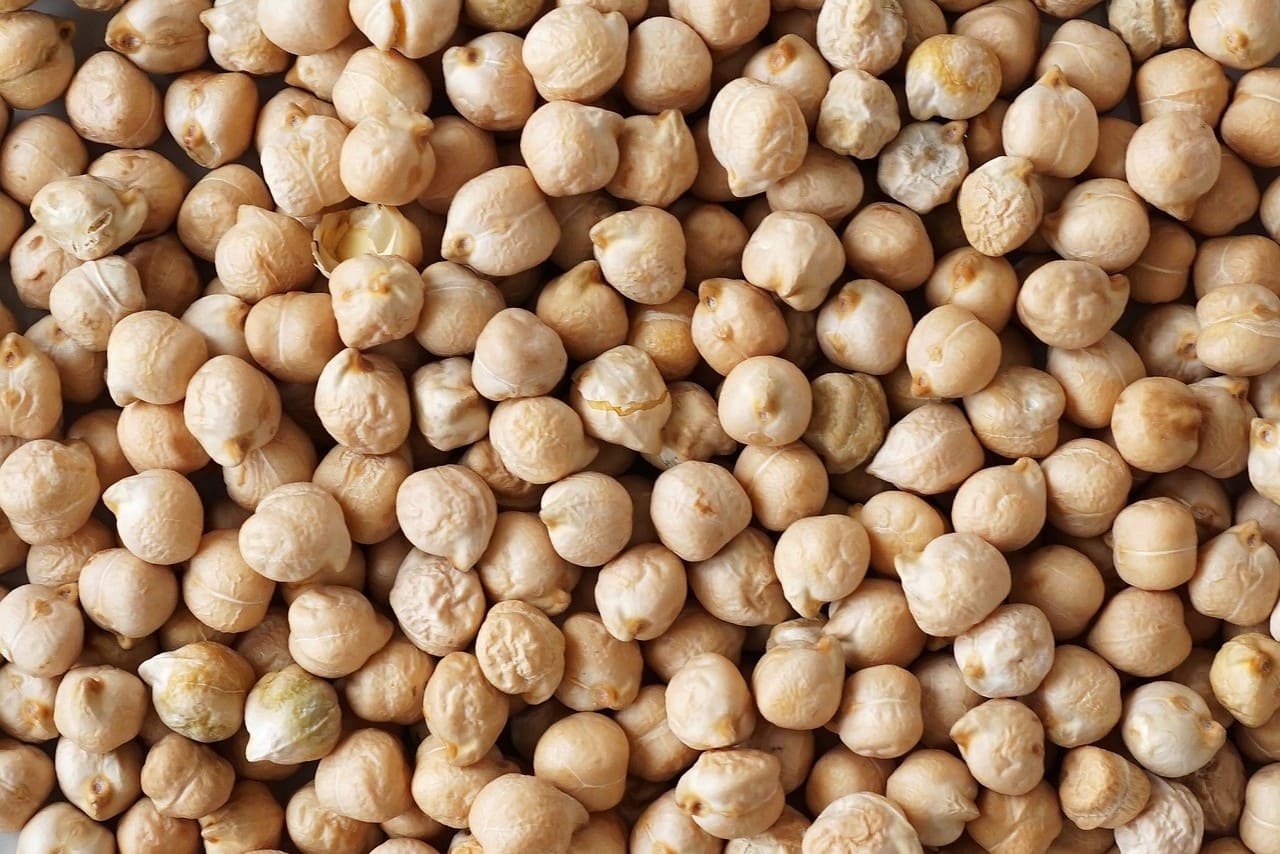
Chickpeas (Cicer arietinum) are emerging as a high-potential crop in Argentina, thanks to their nutritional value, global demand, and adaptability as a winter legume. With rising interest from producers and exporters, the chickpea sector is growing steadily in both area and yield.
This article explores the current landscape of chickpea production in Argentina, focusing on key regions, varieties, planting and harvesting cycles, and future opportunities
Why chickpeas Matter
Chickpeas offer multiple benefits:
– Rich in protein, fiber and essential nutrients
– Suitable for crop rotation, improving soil health
– Well-adapted to semi-arid regions of Argentina
– Growing global demand for plant-based foods
The crop is mostly planted in autumn (May-July) and harvested in spring (October-December). It fits well into cereal-legume rotations, enhancing sustainability in farming systems.
Main Producing Regions
Argentina’s chickpea production is concentrated in north-central provinces. Based on recent data from Argentina’s Ministery of Agriculture, here’s the distribution of cultivated area:
– Salta: 44.5%
– Tucumán: 18.9%
– Santiago del Estero: 16%
– Cordoba: 11.3%
– Catamarca: 3.8%
Córdoba has emerged as a key production zone, with over 25,900 hectares sown and average yields of 2.46 t/ha in the 2024/25 season.
Chickpea Varieties
Argentina mainly grows Kabuli-type chickpeas known for their large, cream-colored grains and high market value. However, Desi-type varieties are also being tested for drier, more challenging environments.
Popular varieties:
Kabuli:
– Chañaritos S-156
– Felipe UNC-INTA
– Norteño
– Kira UNC-INTA
– Tuc 403, TUC 464
Desi:
– TUC 450: The first locally adapted Desi variety for Northern Argentina these varieties are developed by INTA and other institutions to boost yield stability, disease resistance, and climate adaption.
Crop Management:
To optimize chickpea yields in Argentina, farmers focus on:
– Inoculation: Essential in first-year to enable nitrogen fixation.
– Disease control: Watch for Ascochyta blight, Fusarium wilt, and root rot
– Water efficiency: Chickpeas are sensitive to drought during flowering and grain filling
-Rotation: Often rotated with wheat, soybeans, or corn.
Yields and Challenges
In the 2024/25 campaign, Cordoba’s chickpea crop is projected to yield 63,700 tons. Nationally, yields vary due to:
– Climatic conditions (especially drought)
– Lack of adapted varieties in some regions
– Soil quality and access to inoculants
– Low technological adoption in certain areas
In drought years, yields can drop significantly if proper inoculation or disease control isn’t applied.
Market and Exports
Chickpeas have strong export potential, particularly for Kabuli grains ≥ 10mm. Argentina exports to:
– Middle East
– European Union
– Latin America
In previous years, chickpea exports exceeded 65,000 tons, driven by:
– Rising demand for gluten-free, vegan products
– Opportunities in value-added segments like chickpea flour, snacks, and hummus
Opportunities Ahead
Challenges:
– Limited seed diversity
– Weather volatility
– Disease pressure
– Low awareness among new producers
Opportunities:
– Regional expansion into new provinces
– Genetic improvement through public-private R&D
– Strong international demand
– Sustainability credentials as a nitrogen-fixing crop
– Growth in value-added chickpea products
Conclusion
Chickpeas are well-positioned to become one of Argentina’s key legume crops. With the right agronomic practices, regional research, and market development, chickpeas can offer both economic and environmental benefits to producers across the country.
At Kleos, we support regenerative agriculture and promote smart crop choices that build soil health, nutrition, and opportunity. Chickpeas are a prime example of that mission in action.